When you’re picking out a baby hamper for your little one’s first play session, you expect a treasure chest of toys, books, and cuddly companions. But what if the hamper turns out to be a mismatch—too heavy, too cluttered, or simply not engaging for a newborn’s tiny curiosity? This article walks you through the steps to identify the problem, swap out the wrong items, and create a safe, stimulating play environment that turns a potential disappointment into a delightful adventure.
Understanding the Baby Hamper Problem
A baby hamper is more than a gift; it’s a curated experience. If the hamper isn’t suitable for a baby’s first game, it can feel like a puzzle missing a piece. Common red flags include:
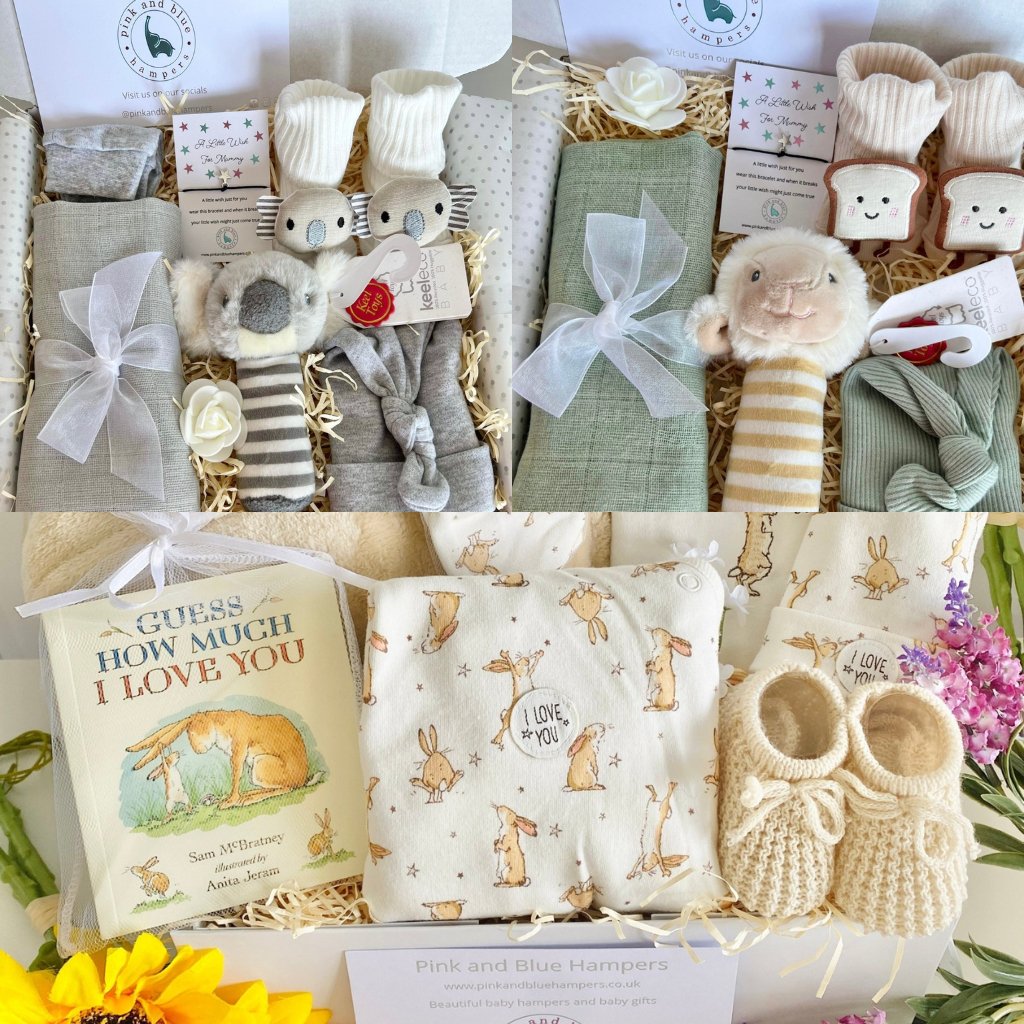
- Inappropriate textures that irritate sensitive skin Small parts that pose a choking hazard Excessive weight making it hard for parents to carry Limited variety that doesn’t stimulate multiple senses
Recognizing these issues early saves you from a playtime disaster and ensures your baby’s first game is a joyous learning moment.
Why the First Game Matters
Your baby’s first game is a milestone that sets the tone for future play. It’s a chance to:
- Build motor skills through reaching, grasping, and rolling Encourage sensory exploration with colors, sounds, and textures Foster bonding as parents guide and cheer
If the hamper’s contents fail to support these goals, the game can feel more like a http://www.mediafire.com/file/cu9o19nkq4cv7iu/pdf-27825-88835.pdf chore than a celebration.
Immediate Steps to Take
When you discover the hamper isn’t right for your baby’s first game, act quickly. Here’s a practical checklist:
- Unpack and inspect every item for safety and suitability Remove any hazardous components (e.g., loose buttons, small beads) Replace heavy items with lightweight alternatives that won’t strain a stroller or diaper bag Add sensory boosters like a soft rattle, a textured ball, or a bright, high‑contrast board
This swift cleanup ensures the play area remains safe and engaging.
Quick Fixes with a Smile
Sometimes a quick swap is all it takes:
- Swap a heavy wooden block for a foam one Replace a plastic toy with a plush version Add a small, soft stuffed animal that can double as a cuddly companion
These small changes can make a world of difference in your baby’s excitement level.
Choosing the Right Replacement
Selecting the right items for a baby’s first game is like picking the right ingredients for a recipe. The right mix will create a dish that’s both nutritious and delicious. Here’s how to choose:
- Texture Variety: Include items that feel smooth, rough, bumpy, and soft. Sound Options: Rattles, musical toys, and soft‑crinkly fabric add auditory stimulation. Visual Appeal: Bright colors and simple shapes capture attention. Safety First: All items should be BPA‑free, non‑toxic, and free of small detachable parts.
Remember, the goal is to create a harmonious blend that encourages exploration without risk.
A Helpful Checklist
- Non‑toxic materials: Check labels for BPA, phthalates, and heavy metals. Size appropriateness: Toys should be large enough to prevent choking. Durability: Look for sturdy construction that can withstand enthusiastic play. Ease of cleaning: Babies can get sticky; washable or wipe‑clean items are best.
Using this checklist ensures every replacement item aligns with safety and developmental goals.
Safety First: Checking Game Materials
Safety is the cornerstone of any baby playtime. Here’s a deeper dive into what to look for:
- Rounded edges: Sharp corners can cause cuts or bumps. Secure attachments: Parts that might detach during play should be avoided. Non‑slip surfaces: Prevent accidental slips when the baby climbs or rolls. Temperature tolerance: Materials should handle both warm and cold environments.
A safe play environment is like a sturdy foundation; without it, even the most exciting games can crumble.
Anecdote: The Tale of the Unruly Hamper
I once helped a first‑time mom named Sarah. She opened her baby hamper at a party and found a pile of heavy wooden blocks that would have made her carry the stroller like a freight train. She laughed, “I thought I was buying a play set, not a weight‑lifting challenge!” After swapping the blocks for foam ones and adding a soft plush, Sarah’s baby immediately reached for the toys, giggling all the way. That moment reminded me that a good hamper should lift your spirits, not your shoulders.

Long‑Term Play Strategy
A baby’s first game is just the beginning. Think of it as the opening act in a grand performance. To keep the momentum:
- Rotate toys: Keep the environment fresh by introducing new items every few weeks. Build on skills: Gradually add more complex toys as your baby’s abilities grow. Engage the senses: Introduce new textures, sounds, and colors to broaden exploration. Encourage parent‑child interaction: Use the game as a bonding tool—talk, sing, and laugh together.
By planning ahead, you turn a single play session into a lifelong learning journey.
Quote to Keep in Mind
> “The best way Fabric hampers to predict the future is to create it.” – Abraham Lincoln
This reminds us that the choices we make today—especially in selecting the right baby hamper—shape the play experiences tomorrow.
Keeping the Playtime Joy Alive
Now that you know what to do if a baby hamper is not suitable for a baby’s first game, you’re ready to create a play environment that sparks joy, learning, and safety. Here’s a quick recap:
- Inspect the hamper for safety and suitability Swap out unsuitable items with appropriate, engaging toys Ensure all materials are safe and encourage sensory exploration Plan for future play by rotating toys and building on skills
By following these steps, you’ll turn any potential playtime mishap into a triumphant moment of discovery. Remember, the right hamper isn’t just a gift—it’s the first chapter in your baby’s adventure book. Choose wisely, and watch your little one thrive.